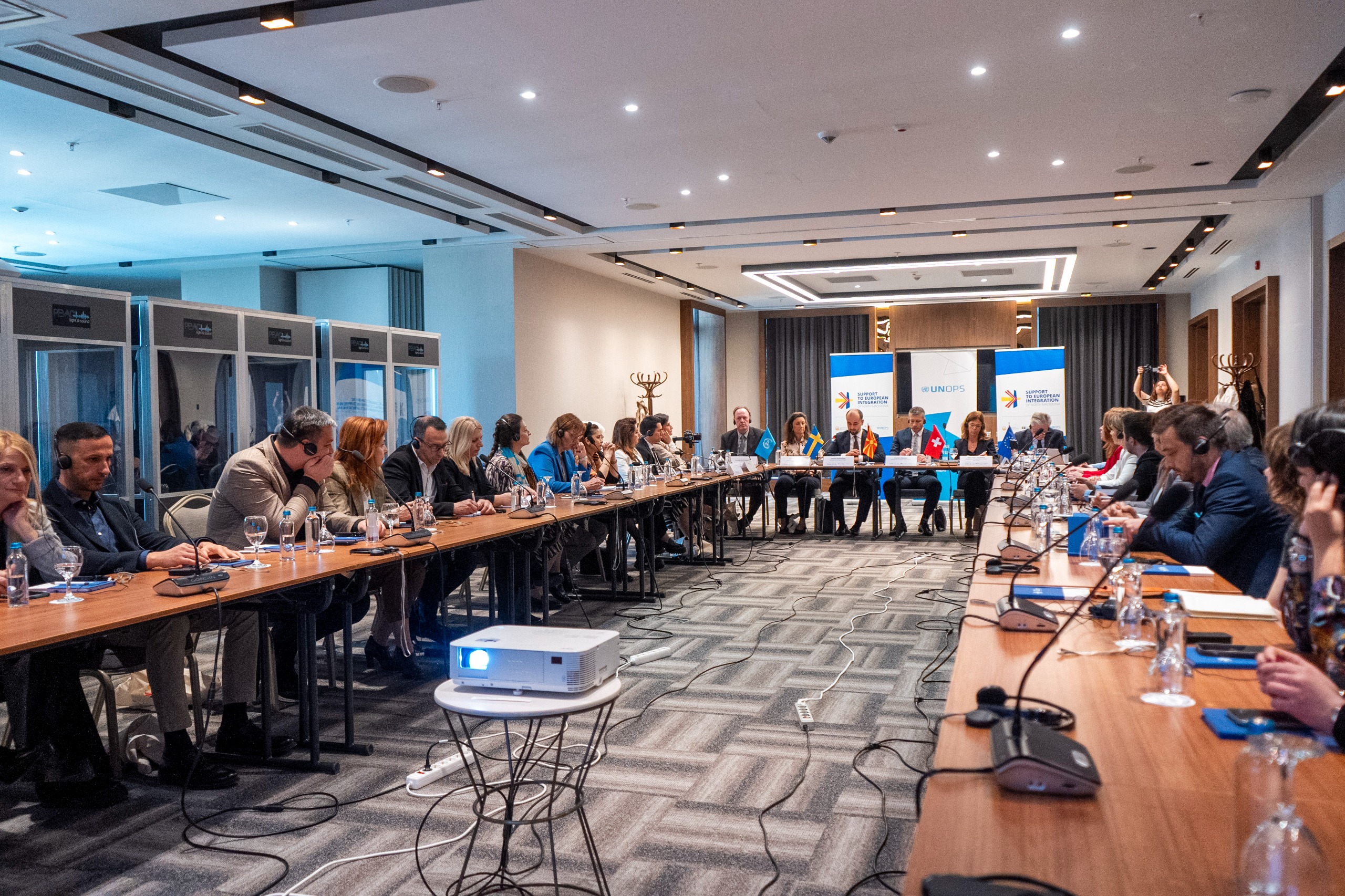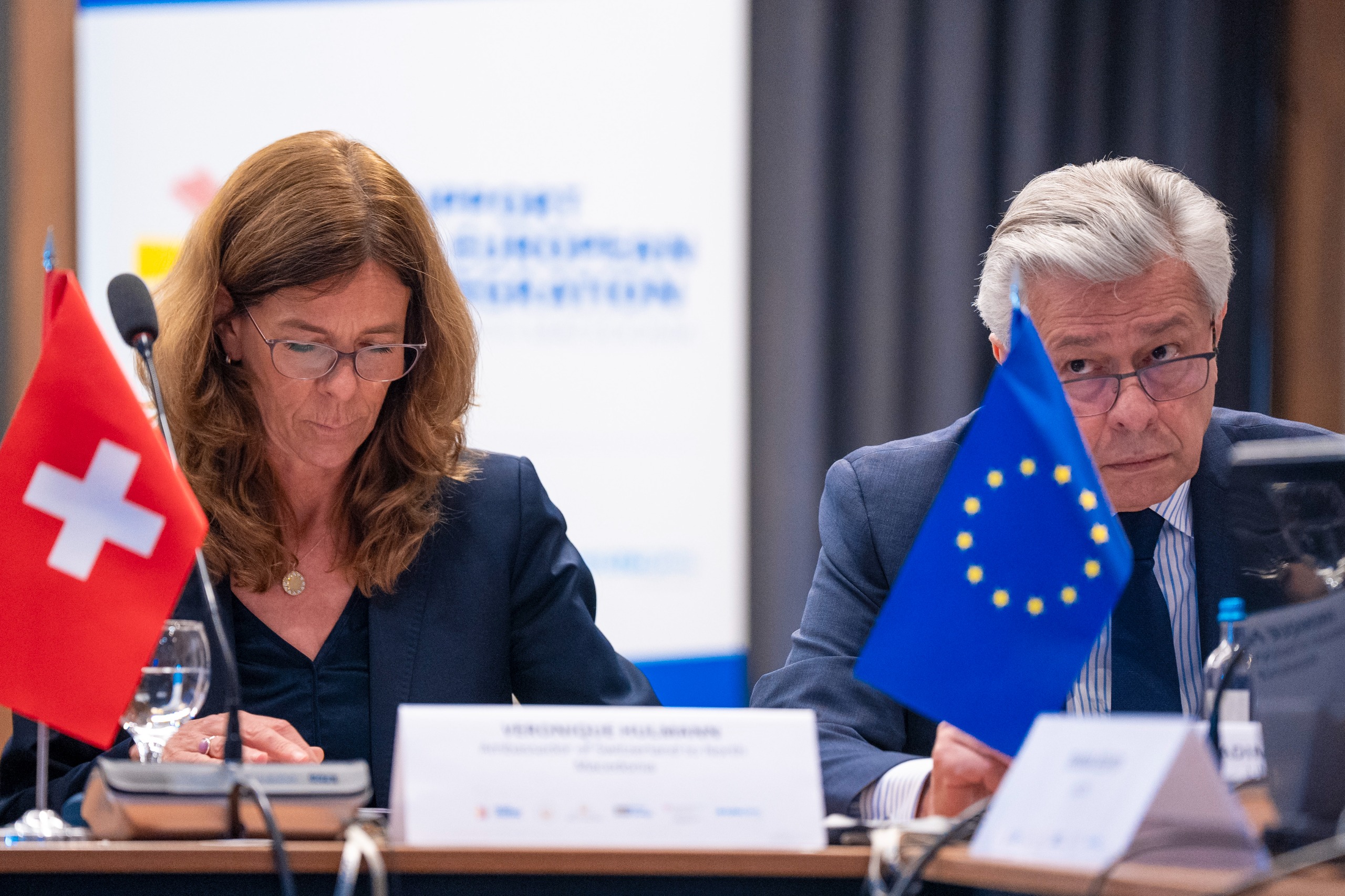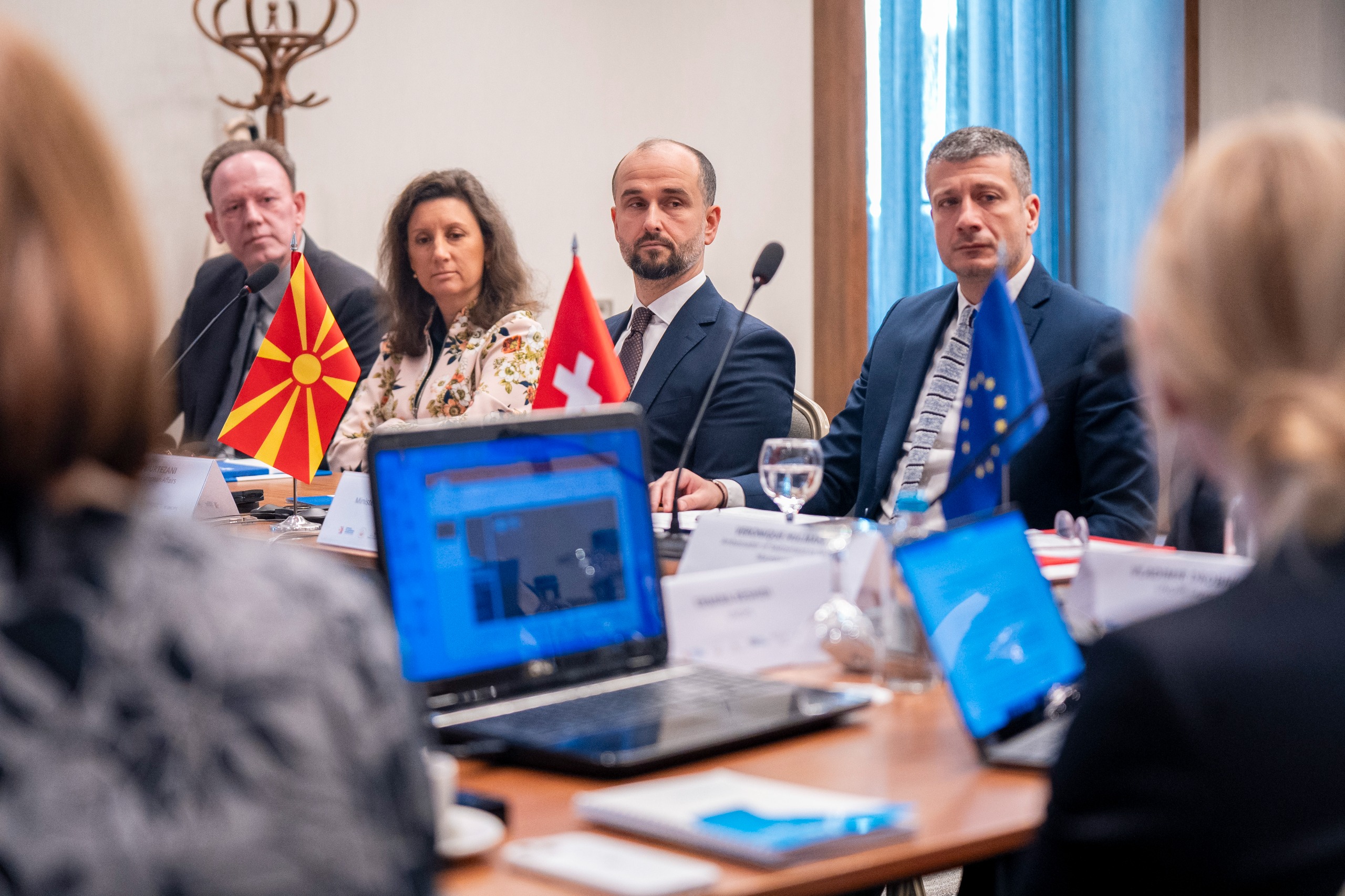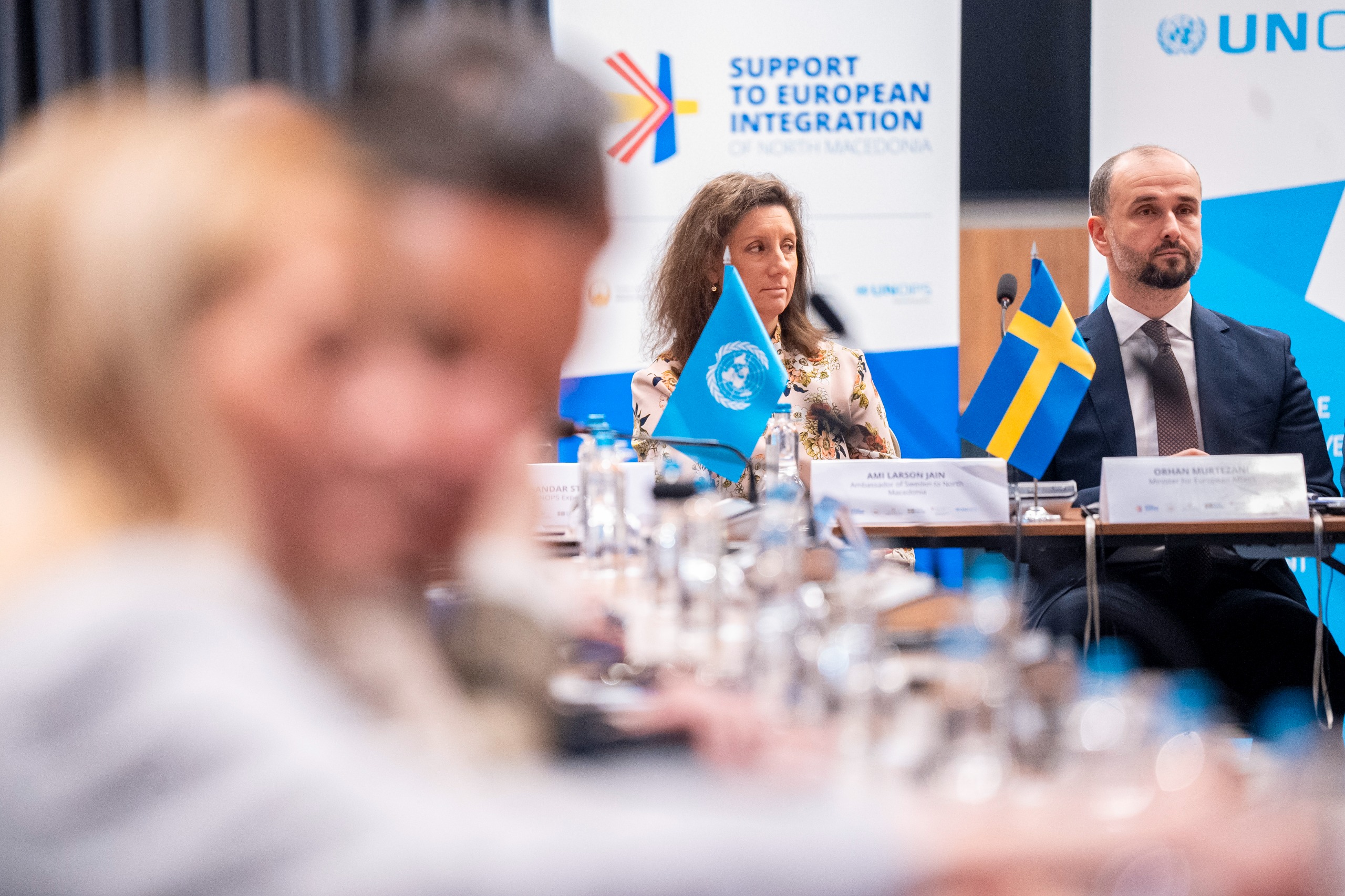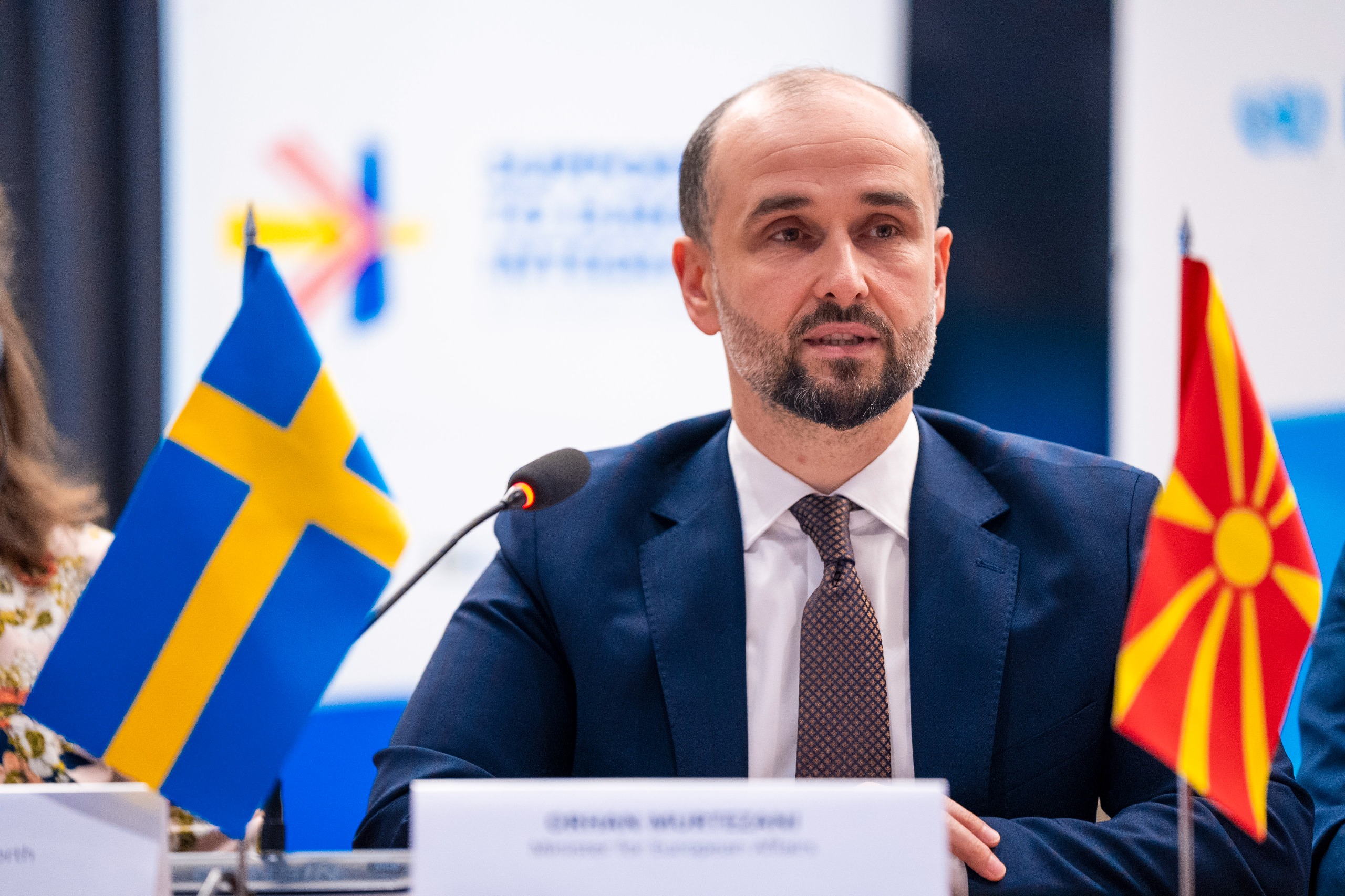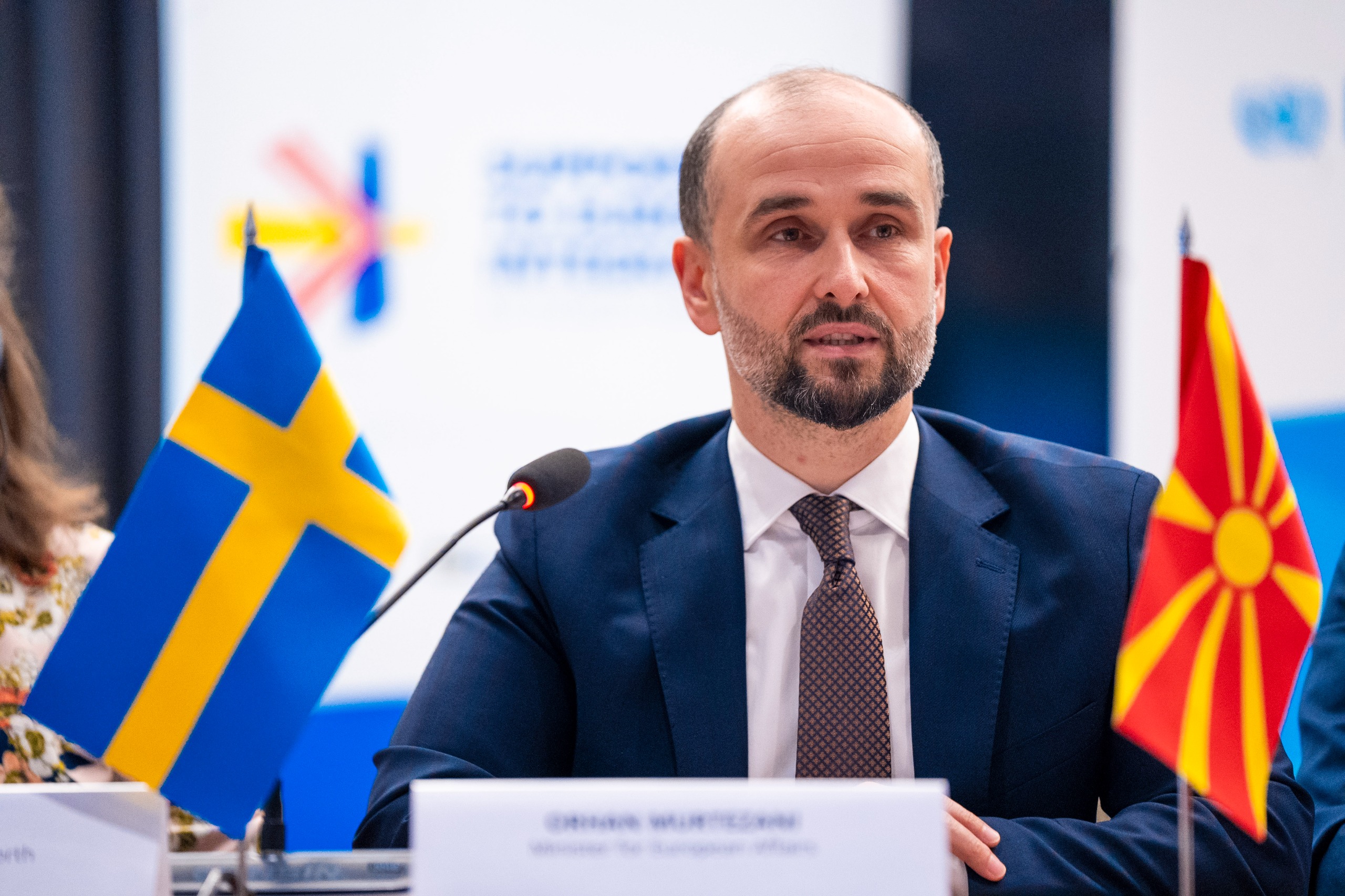
The Minister of European Affairs, Orhan Murtezani, today addressed the workshop entitled “Local Authorities as Drivers of Reforms: Implementation and Benefits of the Reform Agenda for Municipalities”, at which he highlighted the significant role of local authorities in the implementation of the Reform Agenda 2024-2027 and the EU Growth Plan for the Western Balkans.
The workshop was attended by representatives of the Association of Local Self-Government Units of the Republic of North Macedonia (ZELS), mayors, council members, representatives of municipal administrations, representatives of civil society organizations and others.
In his address, Minister Murtezani emphasized the importance of local authorities in creating change, encouraging innovation and improving the quality of life of citizens. He pointed out that municipalities are not only implementers of national policies, but also a vital force driving change.
“Municipalities play an extremely important role in translating national-level policies into concrete measures that directly affect citizens and businesses. You are not just executors, you are architects of local development, creators of change and the voice of citizens,” emphasized Murtezani.
The following is the integral speech of MEP Murtezani:
==================================================================================================================
Dear Ambassador Hulman, Dear Minister, Dear Representatives of the Association of Local Self-Government Units of the Republic of North Macedonia (ZELS), Dear Mayors, Council Members, Representatives of Municipal Administrations, Civil Society Organizations, Ladies and Gentlemen, Good afternoon.
Today’s workshop entitled “Local Authorities as Drivers of Reforms: Implementation and Benefits of the Reform Agenda for Municipalities” is conceived as a gathering of creators of the future, of people who shape the reality in our municipalities every day.
This workshop highlights your key role in the development of our country, and it is organized through the project “Support to North Macedonia for EU Accession”, funded by the Kingdom of Sweden, Switzerland and MEP, and implemented by the UNOPS office in Skopje. We sincerely appreciate the assistance and excellent cooperation from our partners the Kingdom of Sweden and Switzerland, as well as the assistance from the UNOPS office in Skopje, and I hope that this cooperation will continue in the future.
As Minister for European Affairs, I see local government not only as an implementer of national policies, but also as a vital force that drives change, encourages innovation and creates the quality of life of our citizens. Therefore, I would like to start this discussion by looking at the broader context in which we operate.
Our meeting today is closely linked to two key initiatives that define our European future: the EU Growth Plan for the Western Balkans and the Reform Agenda 2024-2027 of North Macedonia. The EU Growth Plan is a vision for the economic integration of the region with the European Union. Seizing the opportunities requires a united front and commitment to reforms at all levels, and you, local authorities, are at the heart of that action. The reform agenda is our national compass for achieving these goals: creating a more competitive economy, a more efficient public administration and a more sustainable society.
This is where you, local authorities, come in. Municipalities play an extremely important role in translating national-level policies into concrete measures that directly impact citizens and businesses. You are not just executors; you are architects of local development, creators of change and citizens’ voices.
Decentralization, fiscal reforms and digital transformation are essential tools with which municipalities can better deliver public services, attract investment and improve local economic development. But this power and autonomy come with responsibility. Municipalities must actively engage in policy implementation, develop local strategies and collaborate with all stakeholders.
Let me highlight how these reforms are reflected in the work of municipalities. In terms of the efficiency of public administration, the digitalization of services means redesigning the way municipalities operate to be closer to citizens. By 2025, with digital platforms in at least 50% of municipalities, citizens will feel less need to wait at counters, and the administration will be more efficient.
When we talk about green and sustainable cities, it is not just about planting trees, which is undoubtedly important. By 2026, municipalities will work on local action plans that will mean energy-efficient buildings, sustainable transport and better waste management. This is an investment in a healthy environment.
Fiscal decentralization, on the other hand, is not just a mechanism for obtaining financial resources. By 2027, by improving the