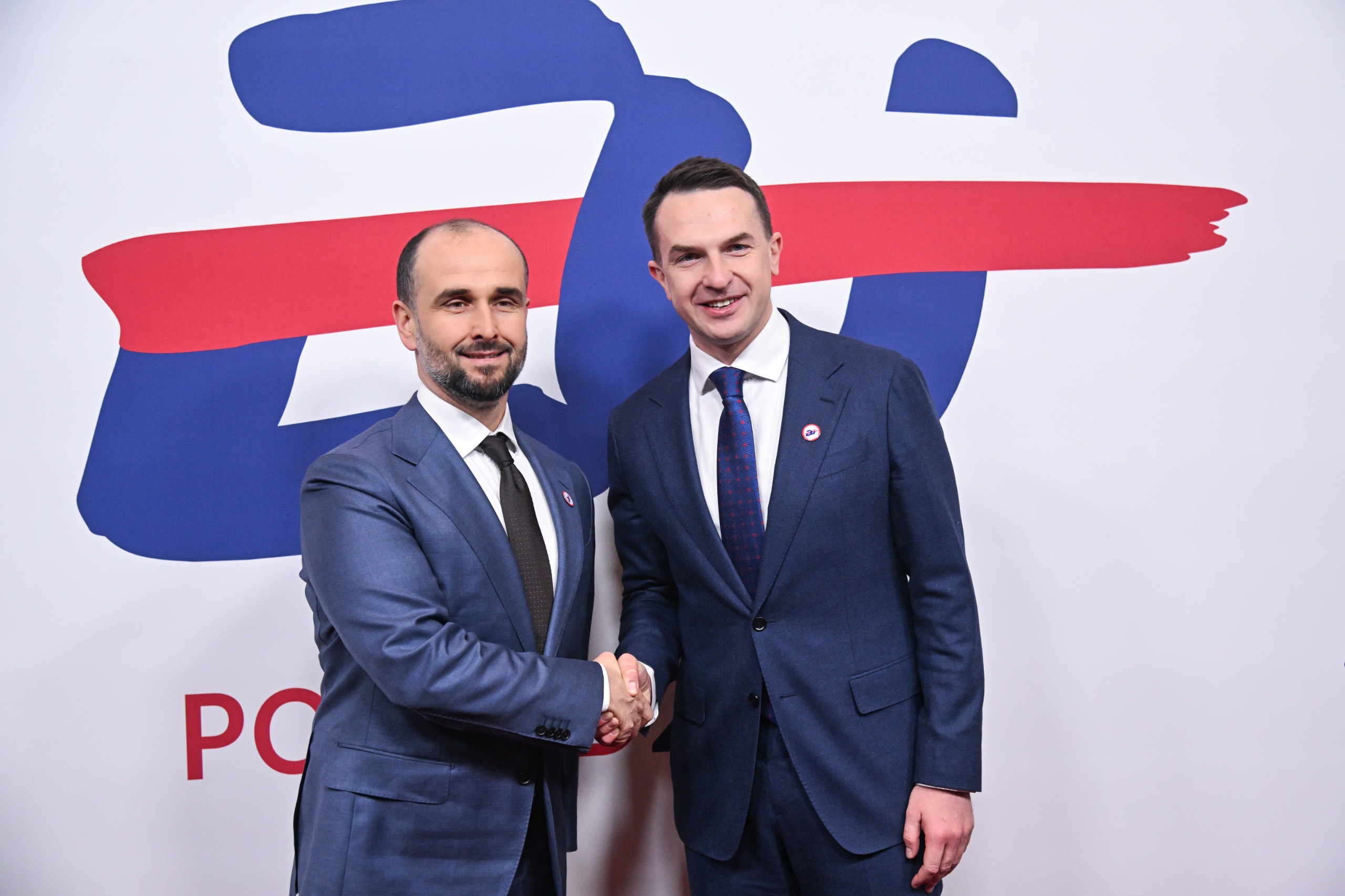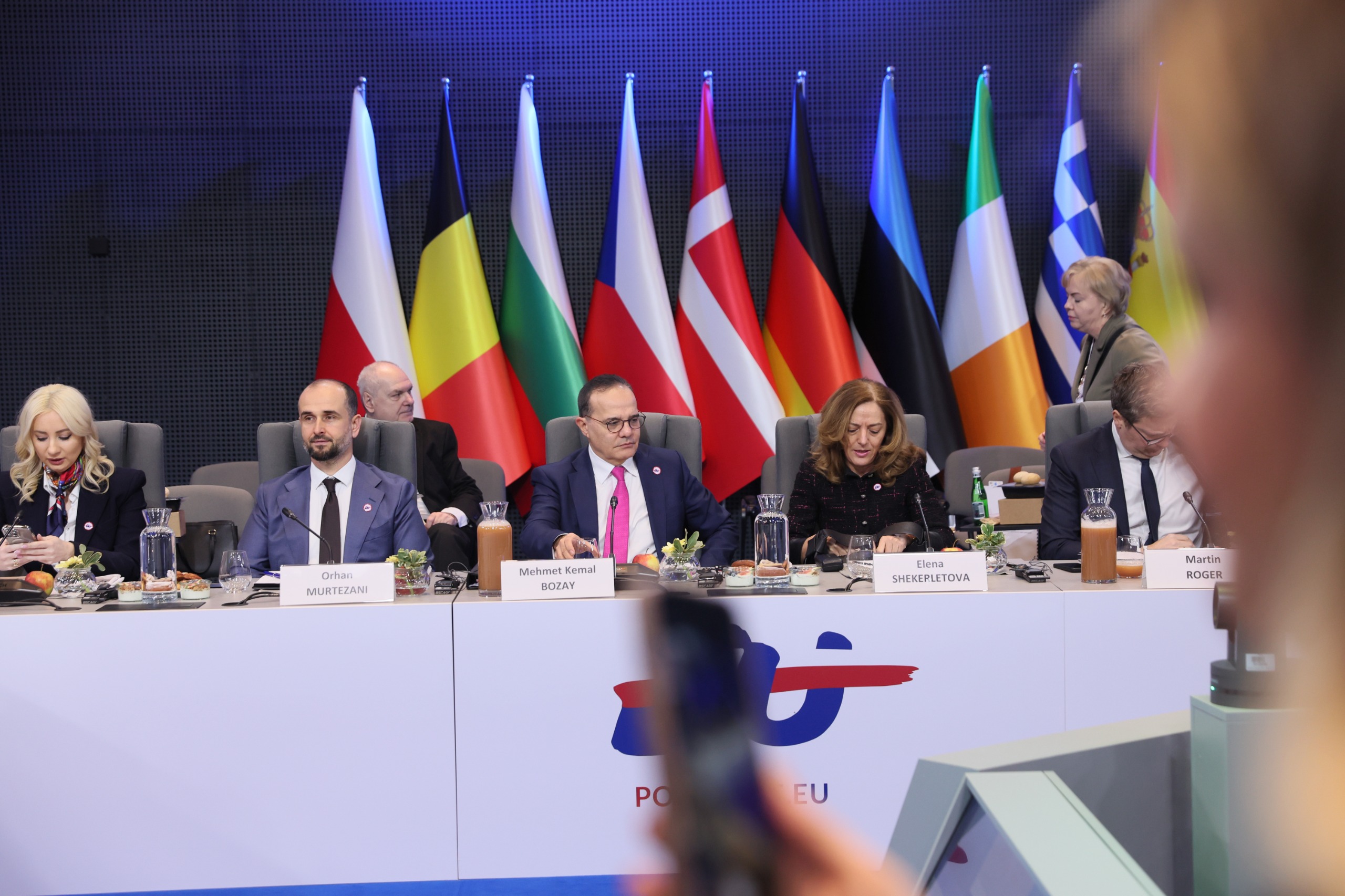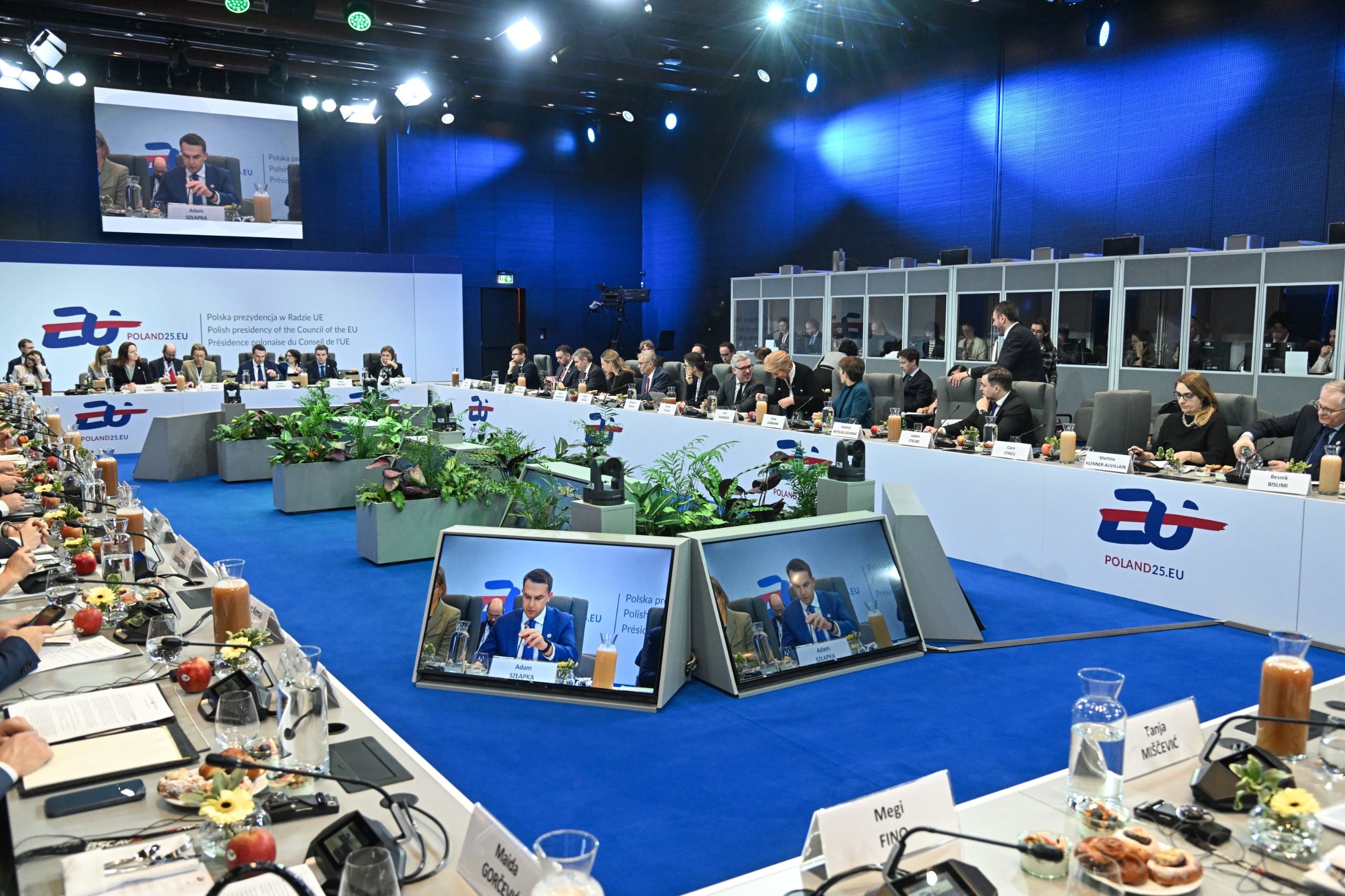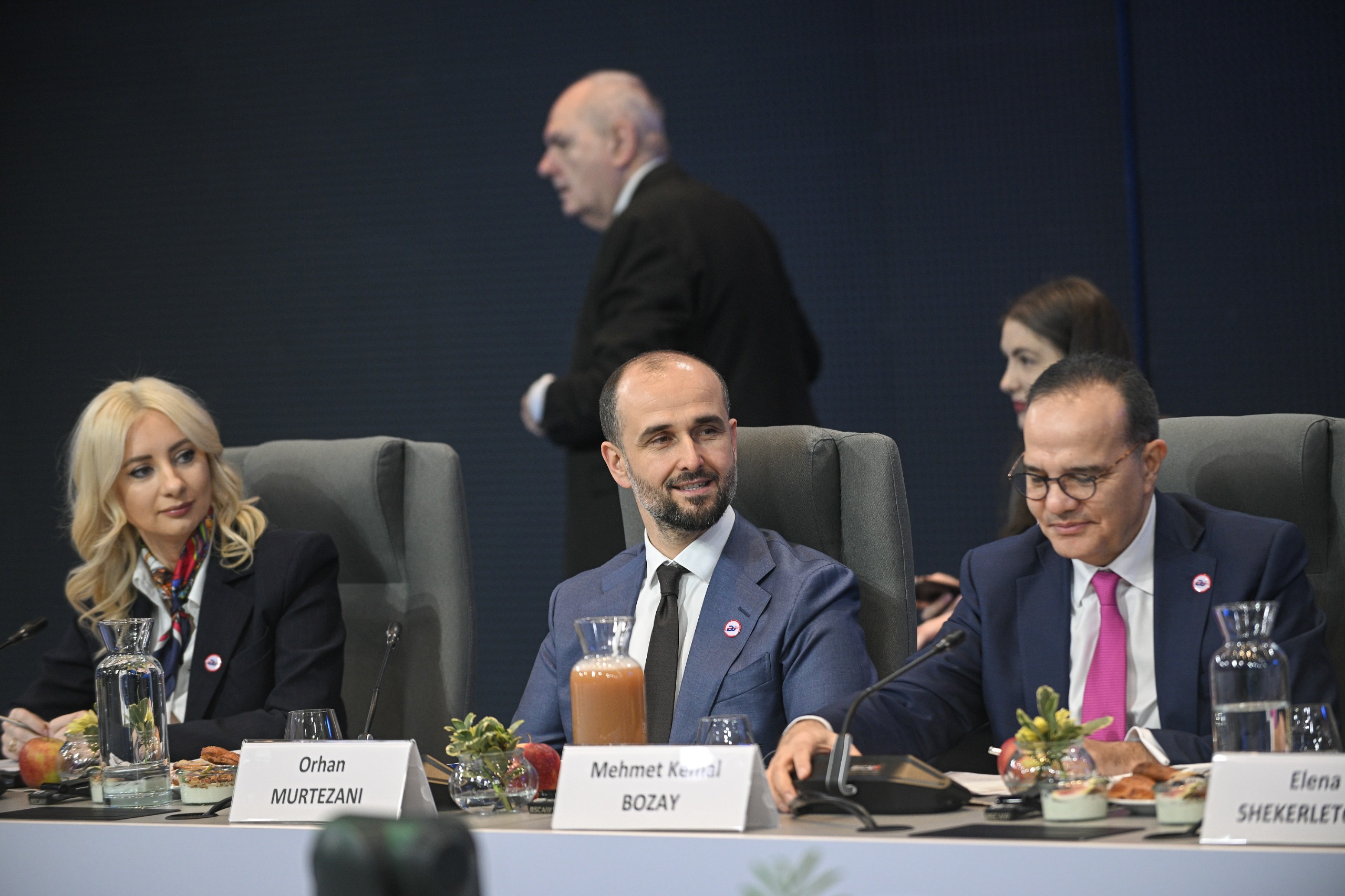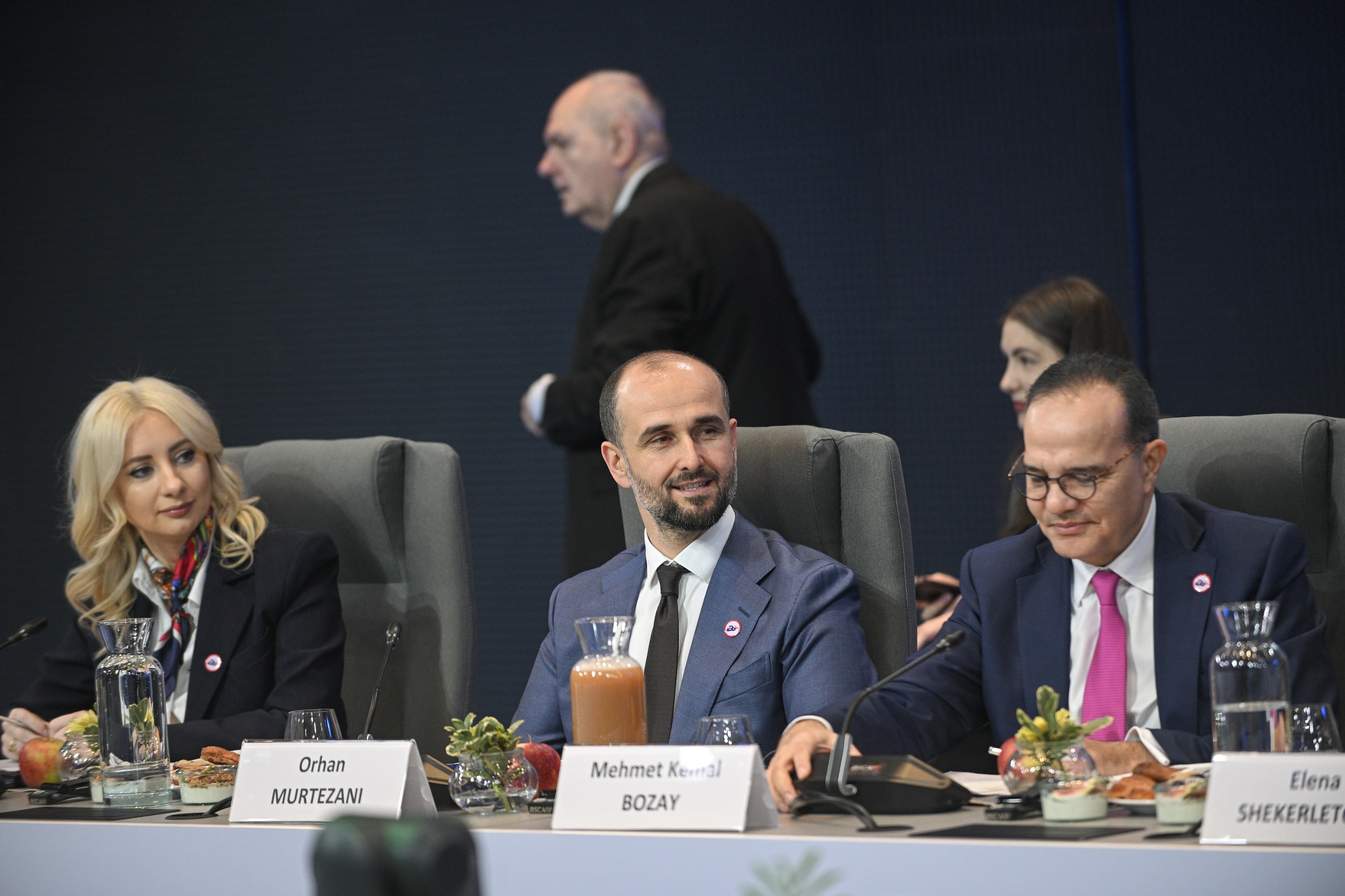
The Minister for European Affairs, Orhan Murtezani, today participated in the informal meeting of the General Affairs Council (GAC) of the European Union, which is being held in Warsaw yesterday and today, within the framework of the Polish Presidency.
Representatives of the member states, candidate countries and potential candidates for membership in the Union discussed the current hybrid threats faced by both EU member states and aspiring members. Minister Murtezani made his address within the discussion, emphasizing that North Macedonia is directly facing hybrid threats, especially after full alignment with the EU Common Foreign and Security Policy.
He emphasized that disinformation, cyberattacks and attempts to destabilize democracy are part of a broader strategy to undermine European values and trust in the enlargement process. In that context, he emphasized the importance of strengthened cooperation with the EU in the area of cybersecurity, information exchange and integration of candidate countries into European security mechanisms.
The following is the full address of MEP Murtezani:
Dear colleagues,
First, let me express my gratitude to the Polish Presidency for convening this meeting and, more importantly, for the opportunity for candidate countries to sit at the same table with member states. This inclusive approach reflects the recognition that hybrid threats do not discriminate between members and aspirants, they target our shared values, our democratic institutions and our collective security. In facing these challenges, our response must be equally united, comprehensive and unwavering.
North Macedonia is directly facing hybrid threats, experiencing their full potential in recent years. Following our unwavering alignment with the EU’s Common Foreign and Security Policy, including sanctions against Russia, we were immediately labeled as a so-called “enemy country” by Moscow. The consequences were immediate: a surge in disinformation campaigns, cyberattacks on our institutions, and increased malicious influence from abroad aimed at destabilizing our democracy and shaking citizens’ trust in our path to the EU.
Disinformation narratives follow a similar pattern. They seek to undermine trust in the EU and NATO, to incite skepticism about the accession process, and to incite divisions in our society. These attacks are not random; they intensify at key moments, during elections, major political decisions, and reform processes; they exploit weaknesses to undermine democratic resilience.
To counter these threats, North Macedonia has taken decisive action:
Strengthening cybersecurity and intelligence capacities in close cooperation with EU and NATO partners.
Expanding media literacy programmes and fact-checking initiatives to combat disinformation and strengthen societal resilience.
Improving legal frameworks to protect democratic institutions from foreign interference.
However, no country can face these challenges alone, especially in times of rapid digital development. Hybrid threats are transnational in nature and require a coordinated response at EU level. This means integrating candidate countries more closely into European security mechanisms, fostering real-time intelligence sharing, conducting joint cybersecurity exercises and strengthening networks to combat disinformation. The Security and Defence Partnership as part of the EU’s Strategic Compass, which North Macedonia signed last November (as the first country from the Western Balkans region) is one way we can work together to address peace, security and defence issues, including cybersecurity.
At the same time, the most effective way to counter hybrid threats is by strengthening the credibility and momentum of the EU enlargement process. A gradual and more inclusive approach, i.e. allowing candidate countries to gradually access the benefits of the Single Market, benefit from EU funding and participate in policy discussions, would send a strong message. This would not only encourage reforms, but would also deprive malicious actors of the space they use to manipulate citizens’ perceptions and stoke Euroscepticism.
As 2025 approaches, it is clear that hybrid threats will remain a defining challenge for both the EU and its aspiring members. Our adversaries will continue to test our resilience, seeking to sow discord and weaken the EU membership project. We must remain vigilant and proactive, to strengthen our solidarity botka, to strengthen our institutional capacities and to stand firm in defense of democracy, stability and our common European future.
North Macedonia remains confident in its commitment to these principles. We stand ready to work together with our EU partners to ensure that enlargement remains a driver for security, resilience and prosperity across the continent.
Thank you.