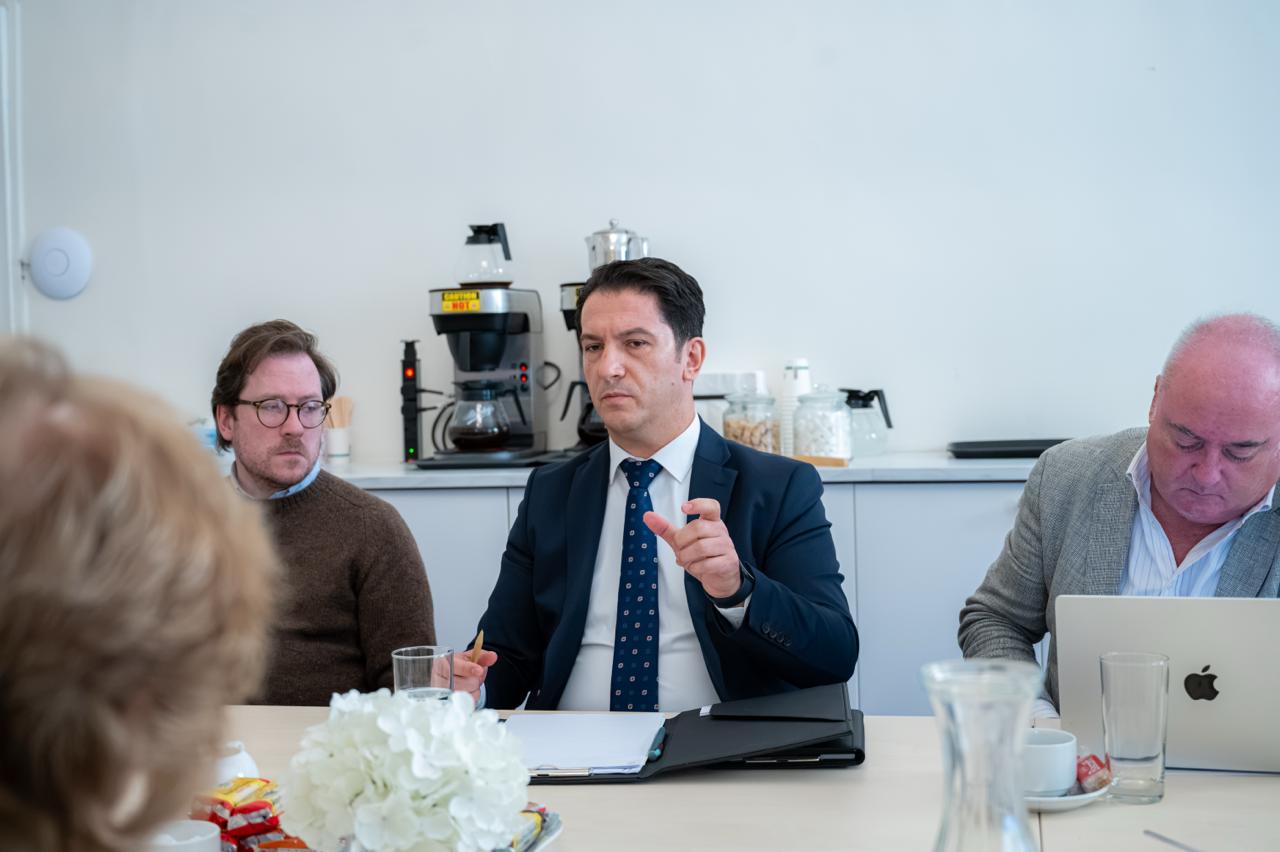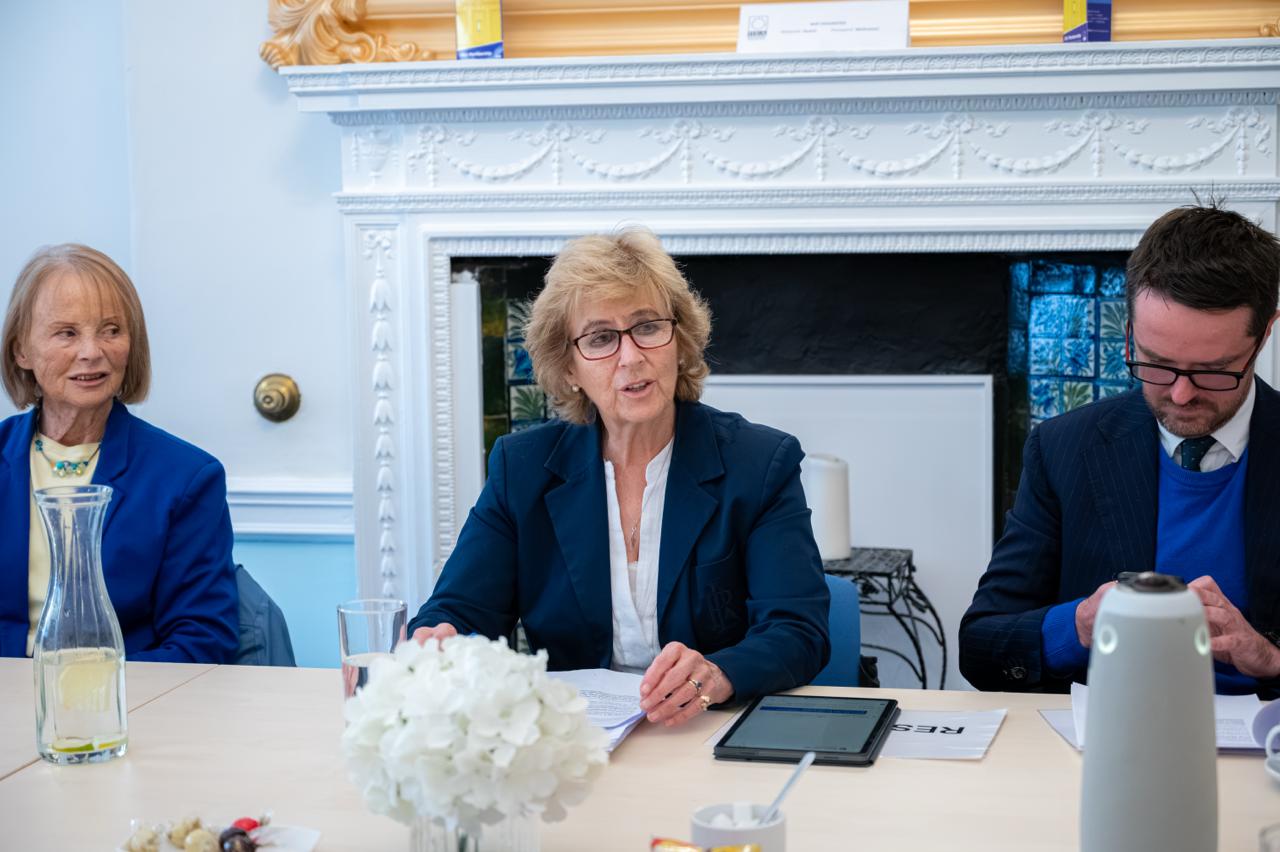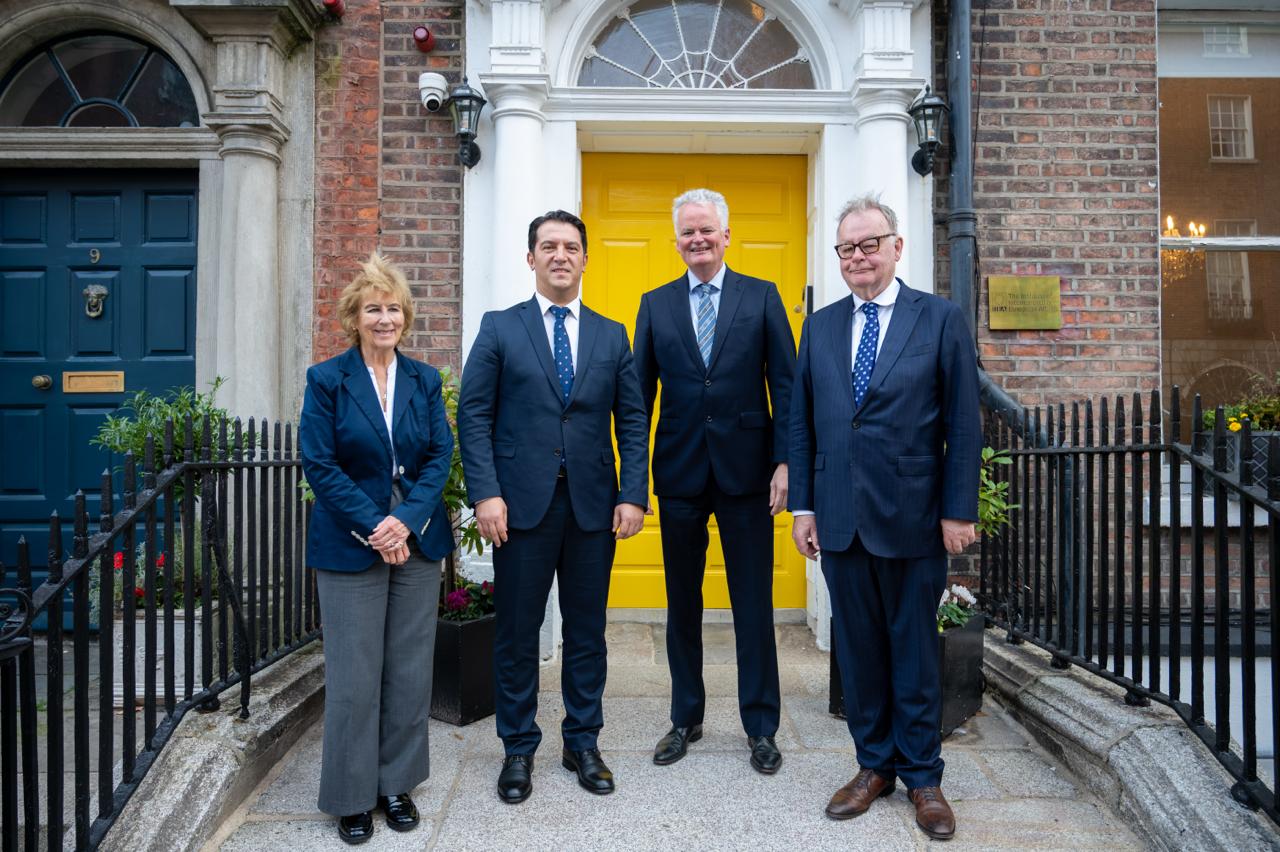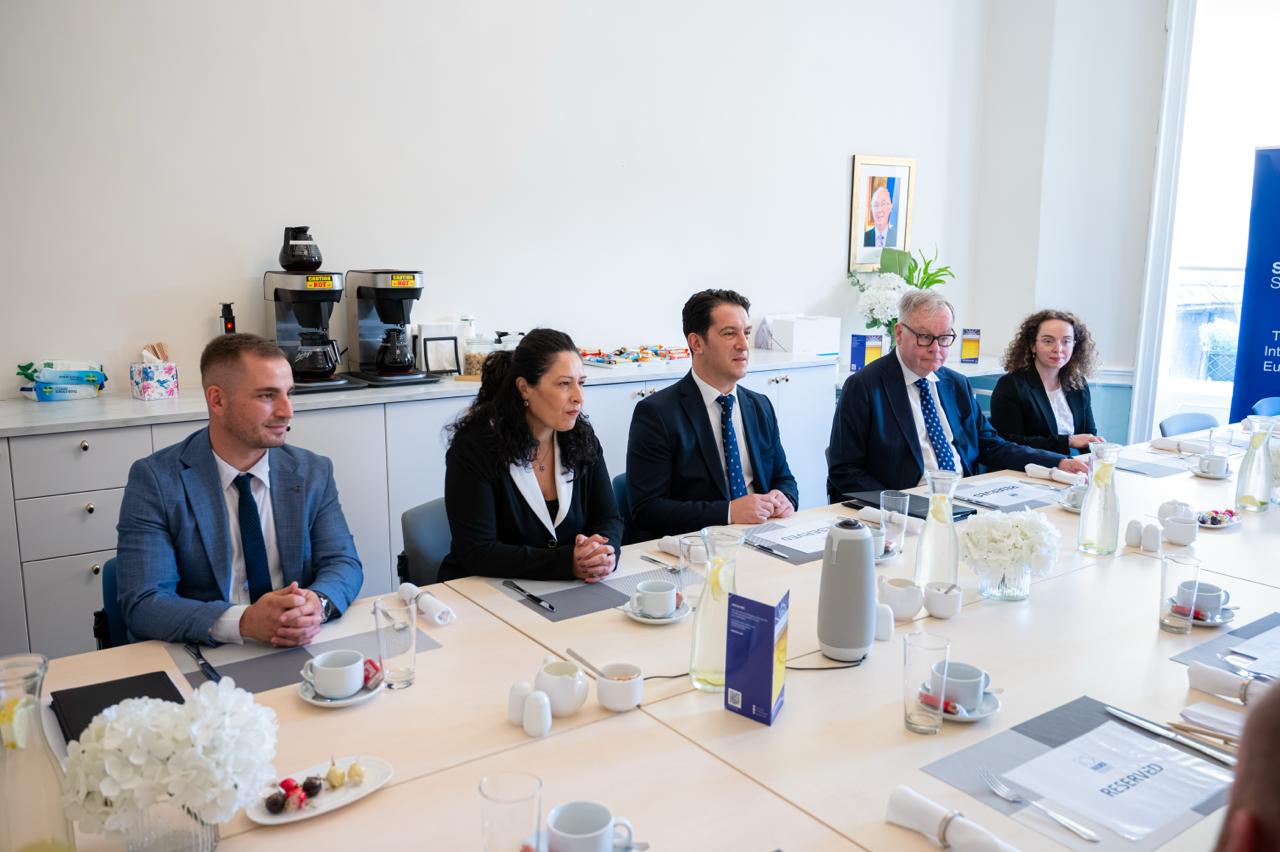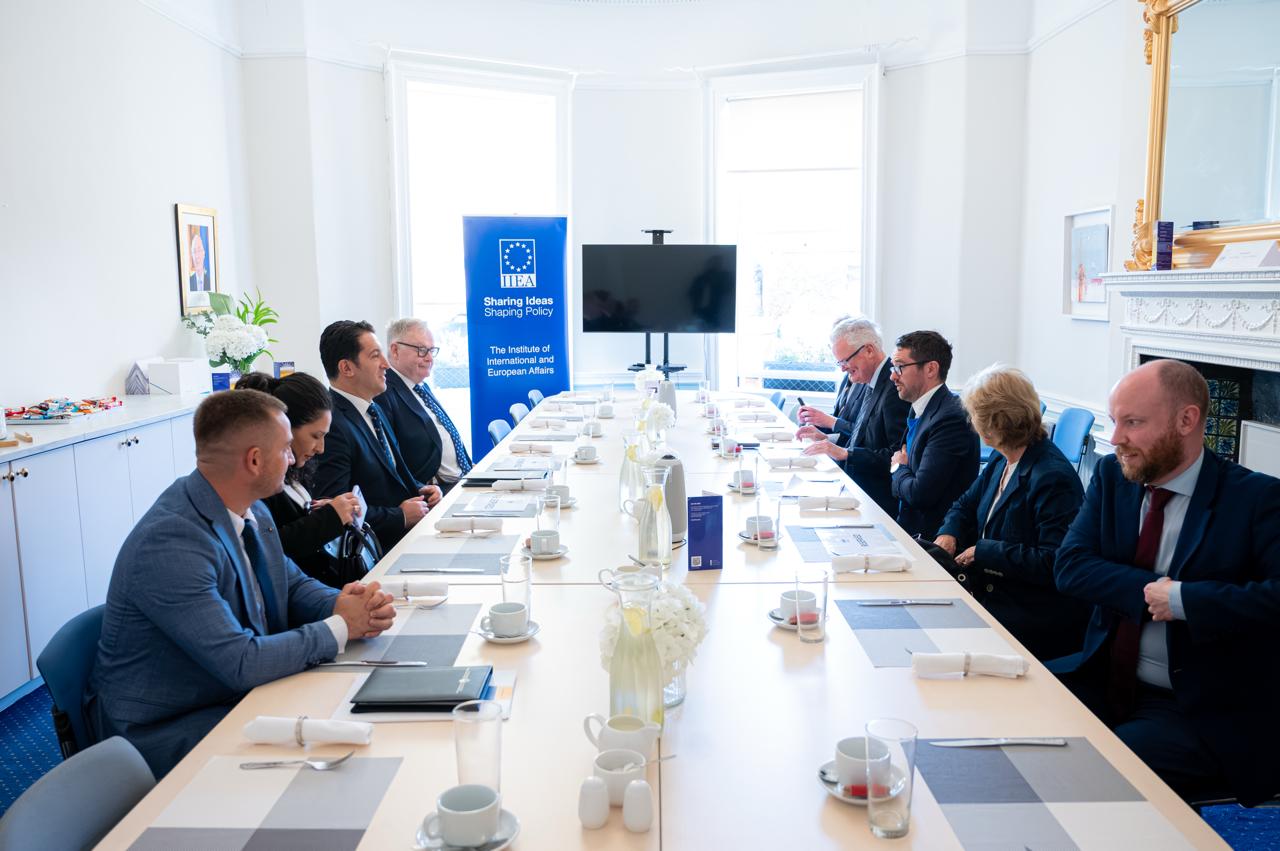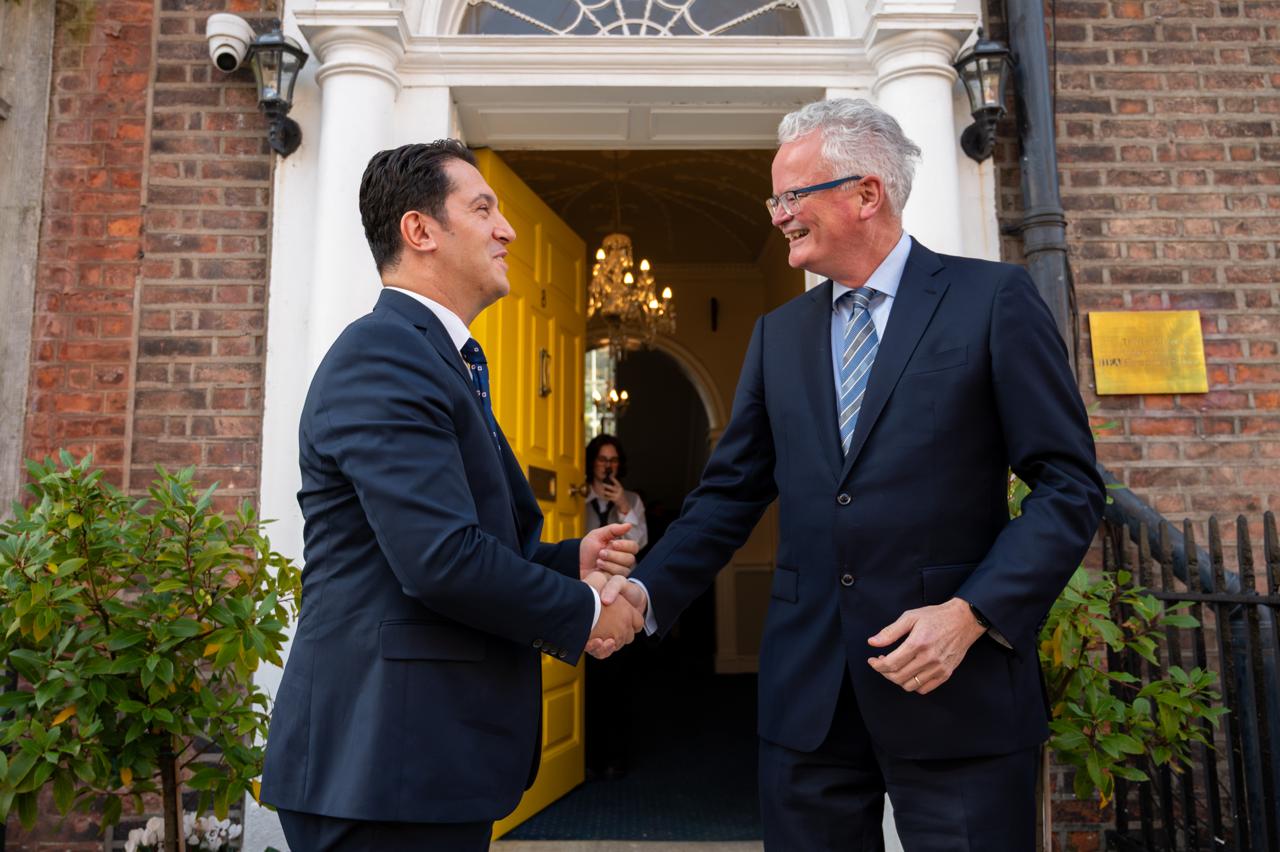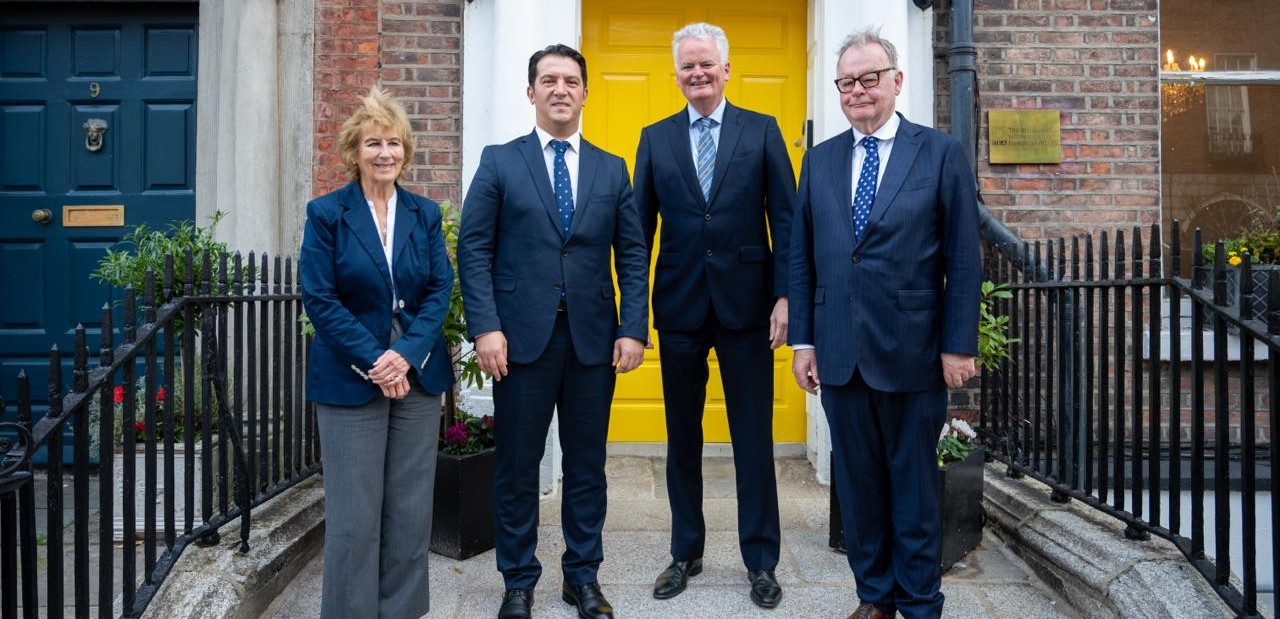
First Deputy Prime Minister and Minister for European Affairs Bekim Sali delivered a keynote address at the Institute of International and European Affairs (IIEA) in Dublin, marking the 25th anniversary of the Ohrid Framework Agreement.
Minister Sali highlighted the historic role of the Ohrid Agreement in ending the 2001 conflict and laying the foundations for a more inclusive society based on dialogue, equality and mutual respect.
He stressed that the agreement should not be viewed solely as a historical document, but as an ongoing commitment to building institutions that serve all citizens equally.
“The legacy of Ohrid will be strongest when equal citizenship becomes an ordinary experience in daily life,” was one of the Minister’s central messages.
Referring to Ireland’s experience with the 1998 Good Friday Agreement, Minister Sali emphasised the importance of political compromise, reconciliation and continuous dialogue in sustaining peace. While recognising the historical and constitutional differences between the two agreements, he noted their shared lesson: lasting peace requires trusted institutions and collective responsibility.
The Minister highlighted the importance of effective implementation of rights, equitable representation, professional public administration, functional decentralisation and equal opportunities for young people.
A significant part of the address focused on North Macedonia’s European perspective. Minister Sali underlined that the rule of law, protection against discrimination, accountable institutions and respect for diversity are both central to the Ohrid Agreement’s legacy and fundamental to European integration.
He stressed that a credible European Union accession process remains essential for sustaining reforms, stability and public confidence in the country’s European future.
The event continued with a discussion on the legacy of the Ohrid Framework Agreement, implementation challenges and lessons from European experiences of peacebuilding.